How Dentists Create a Step-by-Step Gum Disease Treatment Plan
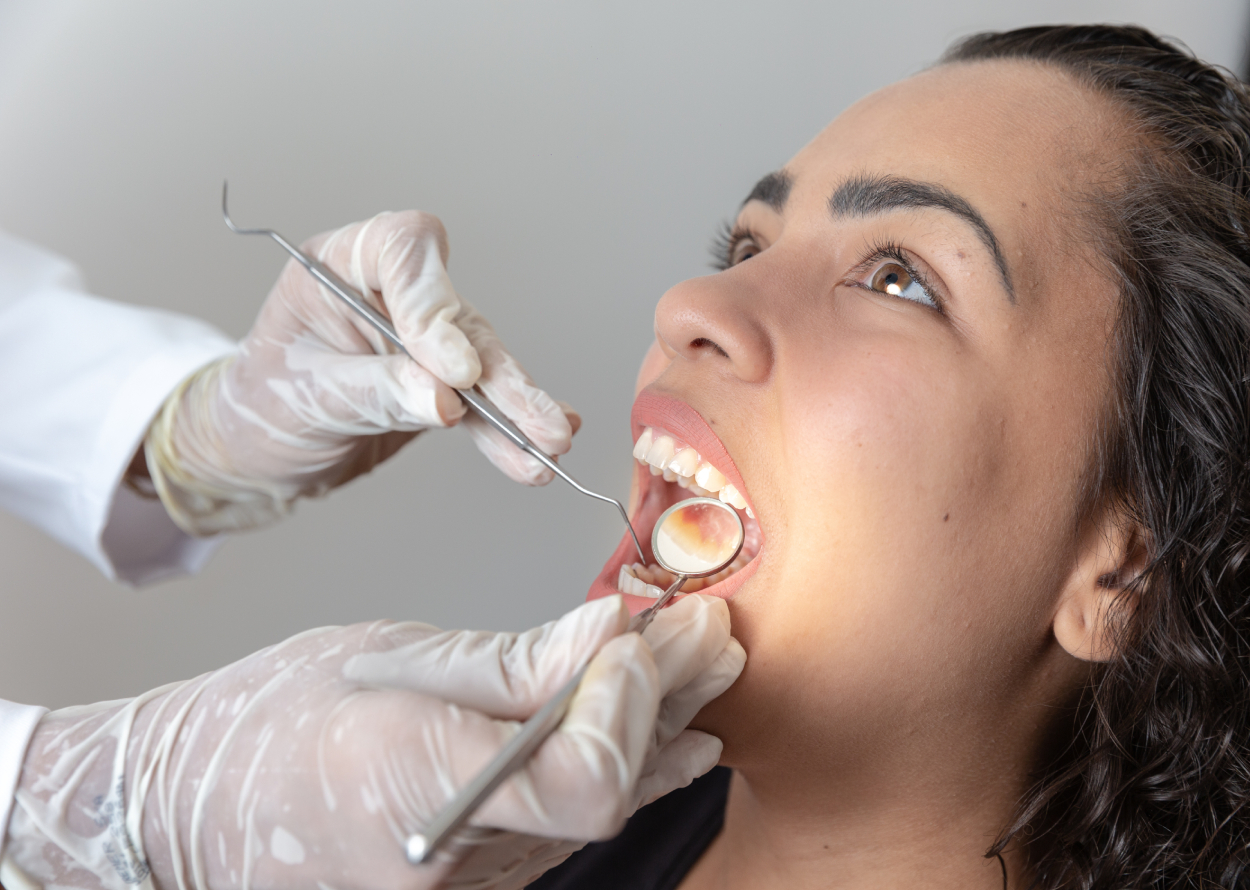
Gum disease rarely appears all at once. It tends to build quietly, through small changes that are easy to miss at home and easy to underestimate until they start affecting comfort, breath, chewing, and even the stability of the teeth. By the time a patient sits in the chair saying, “My gums bleed every time I floss,” the problem often has a longer history than they realized.
That is why dentists do not treat gum disease with a one-size-fits-all cleaning and a generic set of instructions. A proper plan is layered, specific, and responsive to what is happening in that patient’s mouth. The process starts with diagnosis, but it does not end there. A good clinician considers inflammation levels, pocket depth, tartar buildup below the gumline, bone support, medical history, smoking status, home care habits, and whether there are signs of active progression.
Patients are often surprised to learn how methodical the process is. They expect a quick verdict, but what they actually get is a roadmap. In many practices offering Gum Disease Treatment, the plan is built in stages so the gums can be stabilized first, reassessed second, and maintained over time. That staged approach matters because gum disease is not just a stain or surface issue. It is an infection and inflammatory process affecting the supporting tissues around the teeth.
It starts with measuring what the eye cannot see
A dental exam can reveal red, swollen, or tender gums, but visual inspection only tells part of the story. The more important findings are often below the gumline, where bacterial plaque hardens into calculus and where the tissue begins pulling away from the tooth.
At this stage, a dentist or hygienist usually performs periodontal charting. This means measuring the small space between each tooth and the surrounding gum tissue. Healthy gums tend to have shallow measurements, often around 1 to 3 millimeters, with little or no bleeding. When measurements deepen to 4 millimeters or more, especially with bleeding or pus, the concern shifts from mild gingivitis toward periodontitis.
Those numbers matter because they help determine both severity and treatment intensity. A patient with generalized 5 to 6 millimeter pockets and widespread bleeding is in a different category than someone with mild inflammation isolated to two back teeth. Both need care, but they do not need the same care.
X-rays are another essential piece. Bone loss does not always hurt, and patients can lose meaningful support around teeth before they notice mobility. Radiographs help the dentist assess how much bone remains, whether the loss is horizontal or vertical, and whether any teeth have a guarded long-term outlook.
This is where experience shows. A dentist is not just collecting data. They are looking for patterns. Is the disease concentrated around old crowns that trap plaque? Is there a lower front area packed with tartar from years of buildup? Are there deep isolated pockets suggesting a local problem, such as a fractured tooth, root groove, or faulty restoration? The treatment plan depends on these distinctions.
The first conversation shapes the rest of the plan
Before treatment begins, the dentist has to understand the patient behind the chart. Two mouths with similar measurements may need very different strategies based on health history and daily reality.
Diabetes is a classic example. Poorly controlled blood sugar can make gum disease more aggressive and healing less predictable. Smoking is another major factor. Smokers often show less obvious bleeding even when the disease is advanced, which can make the condition look deceptively calm. Dry mouth, certain medications, hormonal changes, immune disorders, and a history of periodontal treatment also influence decision-making.
Practical habits matter too. Some patients brush hard but never clean between their teeth. Others are diligent at home but have heavy calculus accumulation because of saliva composition, crowding, or recessed areas that are hard to reach. A useful treatment plan has to account for what the patient can realistically maintain.
In a practice providing Gum Disease Treatment in Ventura, for example, the conversation may also include lifestyle details that affect consistency, such as travel schedules, outdoor work, shift hours, or long stretches between routine visits. These are not minor details. Compliance is part of the treatment.
A dentist will often ask questions that sound simple but reveal a lot. When did the bleeding start? Has breath changed? Do any teeth feel different when chewing? Has there been sensitivity near the gumline? Is the patient already using floss, interdental brushes, or a water flosser? The answers help separate chronic, slowly progressing disease from active flare-ups that need faster intervention.
Not every case needs the same first step
One of the biggest misconceptions about gum disease is that every patient automatically needs surgery. That is not true. Many patients improve significantly with non-surgical care when the disease is caught before severe destruction occurs. On the other hand, some mouths have deep anatomical defects that will not respond fully to cleaning alone.
The early planning phase typically sorts patients into broad treatment categories:
- Gingivitis management, when inflammation is present without measurable attachment or bone loss.
- Non-surgical periodontal therapy, when there are deeper pockets, bleeding, and buildup below the gums.
- Surgical referral or advanced periodontal care, when deep defects, furcation involvement, or persistent pockets remain after initial treatment.
- Supportive periodontal maintenance, which is the long-term phase designed to prevent relapse.
That sequence sounds straightforward, but judgment sits inside every category. A patient with mild generalized inflammation might improve with a thorough prophylaxis and reinforced home care. Another patient with the same amount of redness but significant tartar below the gums may actually need scaling and root planing. The label matters less than the tissue response and the findings.
The cleaning phase is more precise than many patients expect
When gum disease has progressed beyond simple gingivitis, the standard non-surgical treatment is scaling and root planing. Patients often hear this described as a “deep cleaning,” which is familiar language but not very precise. What the dentist or hygienist is actually doing is removing plaque, calculus, and bacterial toxins from the root surfaces below the gumline so the tissue has a chance to heal and tighten around the teeth.
This is usually done in sections, often by quadrant, especially when multiple areas need treatment. Local anesthetic is commonly used because comfort matters, and because careful instrumentation below the gums takes time. Rushing through periodontal therapy defeats the point.
Root surfaces affected by longstanding calculus can feel rough and irregular. Once those surfaces are debrided, the tissue has a better chance of reducing inflammation. Bleeding may decrease within days, while deeper tissue changes take longer. Most patients notice improvement in tenderness and swelling fairly quickly, although sensitivity can temporarily increase as inflamed tissue shrinks and exposed root surfaces become more noticeable.
There is also a practical reason dentists stage this part of Gum Disease Treatment instead of trying to do everything casually during a routine cleaning visit. Periodontal pockets are reservoirs of bacteria. If those reservoirs are left untouched, the disease process continues. A regular polish and surface cleaning may make the teeth feel smoother, but it does not address the infected environment underneath the gums.
Home care instructions are not an afterthought
Patients sometimes assume that the in-office procedure is the real treatment and that brushing advice is just a standard speech at the end. In reality, the home care phase determines whether the clinical work holds up.
A dentist creating a step-by-step plan will usually tailor instructions to the patient’s actual anatomy and habits. That may mean switching from standard floss to interdental brushes where there is recession or spacing. It may mean recommending an electric toothbrush for someone with poor manual technique, or a water flosser for a patient with bridges, orthodontic appliances, or dexterity issues. Sometimes the biggest improvement comes from changing technique https://milogsyh512.cavandoragh.org/gum-disease-treatment-in-ventura-for-adults-of-all-ages rather than adding more products.
Timing matters too. A patient with bleeding gums often stops flossing because it seems to make things worse. The clinician has to explain that bleeding is usually a sign of inflammation, not a reason to avoid cleaning the area. At the same time, there is a difference between gentle, effective disruption of plaque and aggressive snapping of floss that injures tissue. These details affect results.
Some practices also recommend antimicrobial rinses for short periods, especially when inflammation is pronounced or healing needs support. These are not magical fixes, and they are not always necessary. Good mechanical plaque removal remains the foundation. But in selected cases, adjuncts can help reduce bacterial load while the gums recover.
Re-evaluation is where the treatment plan proves itself
One of the most important steps in periodontal care happens after the initial therapy, not before it. This is the re-evaluation visit, usually scheduled several weeks after scaling and root planing. By then, the immediate inflammation has settled enough for the team to see what changed.
At this appointment, the dentist or hygienist repeats pocket measurements, checks bleeding points, reviews home care, and compares the tissue response to the original charting. This is where the plan becomes truly individualized.
A patient who started with generalized 5 millimeter pockets may come back with many areas reduced to 3 or 4 millimeters and far less bleeding. That is a strong sign that non-surgical care is working. Another patient may still have isolated 6 or 7 millimeter pockets around molars, even though the rest of the mouth improved. That suggests the need for a more targeted next step.
Re-evaluation also helps identify local irritants that were masked by generalized inflammation at the first visit. Sometimes a bulky filling margin, a cement remnant under a crown, or an awkward contact point becomes more obvious once the tissues calm down. If those factors are not corrected, the disease can return in the same areas no matter how many cleanings are done.
This visit is also when difficult conversations sometimes happen. If a tooth has severe bone loss, furcation involvement between roots, mobility, or recurring infection, the dentist may need to discuss a guarded prognosis. Saving teeth is always the preference, but part of a sound periodontal treatment plan is knowing when a tooth is maintainable and when heroic treatment may not deliver lasting value.
When advanced therapy enters the picture
Not every patient needs a periodontist, but many benefit from specialist involvement when the case crosses a certain threshold. Deep residual pockets, complex bone defects, gum recession, exposed root anatomy, or persistent inflammation despite good home care can justify referral.
This does not mean the initial treatment failed. In fact, good general dentists and hygienists often prepare the mouth for specialist care by reducing the bacterial burden first. Once that foundation is established, the periodontist can better assess whether flap surgery, regenerative procedures, pocket reduction, grafting, or laser-assisted approaches are appropriate.
There are real trade-offs here. Surgery can provide access to deep areas that instruments cannot predictably clean in a closed environment, especially around molars with complicated root anatomy. It can also improve maintainability in the long run. But surgery comes with cost, healing time, and variable outcomes depending on anatomy, smoking, diabetes control, and patient compliance.
That is why experienced clinicians do not recommend advanced therapy casually. They weigh pocket depth, bleeding, mobility, bone pattern, esthetic concerns, and long-term prognosis before moving forward. A 5 millimeter pocket that is stable, cleanable, and not bleeding is very different from a 5 millimeter pocket that repeatedly suppurates and deepens despite care.
Maintenance is not routine cleaning with a different name
Once active disease is controlled, patients usually move into periodontal maintenance. This is one of the most misunderstood parts of Gum Disease Treatment. Many patients hear the word “maintenance” and assume the disease is gone for good. The reality is more like chronic disease management. The condition can be stabilized, but susceptibility remains.
A patient who has had periodontitis generally needs more frequent follow-up than someone who has never lost attachment or bone. Three-month intervals are common, though some patients may move to four months depending on stability and risk factors. Six months is often too long for patients with a history of moderate or severe disease, because harmful bacterial populations can reestablish below the gums well before that point.
At maintenance visits, the team is not simply polishing the teeth. They are checking for recurrent pocketing, bleeding, plaque retention areas, new calculus deposits, tissue changes, and shifts in home care effectiveness. They are also updating the risk picture. Has the patient started smoking again? Has diabetes become less controlled? Is there new dry mouth from medication changes? All of these can influence recurrence.
An effective maintenance phase often focuses on a short set of priorities:
- Keep periodontal pockets as clean and stable as possible.
- Identify relapse early, before major bone loss occurs.
- Adjust home care tools as the mouth changes over time.
- Monitor teeth with reduced support for mobility and function.
- Coordinate restorative needs so crowns, fillings, and bridges do not trap plaque.
This phase is where many long-term successes are won. It is also where many failures begin when recall intervals stretch, home care slips, or small signs of relapse are ignored.
Dentists also plan around what patients can tolerate
The clinical ideal and the practical plan are not always identical. Some patients have anxiety, sensitive gag reflexes, limited finances, transportation challenges, or medical conditions that make long appointments difficult. A treatment plan that looks perfect on paper but cannot be completed consistently is not a good plan.
Experienced dentists adapt. They may break treatment into shorter visits, prioritize the most diseased areas first, coordinate with a physician for medical clearance, or phase treatment financially so urgent therapy is handled before elective care. They may recommend local anesthesia for one patient, mild sedation for another, and extra desensitizing measures for a third.
This is especially relevant when discussing Gum Disease Treatment in Ventura or any community-based setting where patients come from varied backgrounds and schedules. A retired patient with flexible time may complete quadrant therapy and follow-up within a month. A working parent juggling school drop-offs and shift work may need a slower schedule. The disease process does not wait politely, but the plan still has to be realistic enough to complete.
A good clinician also explains priorities clearly. If a patient cannot address everything at once, the dentist should say what matters most now. Sometimes that means treating active periodontal infection before replacing old cosmetics. Sometimes it means extracting a hopeless tooth rather than spending money on repeated patchwork.
What patients often notice first, and what dentists watch more closely
Patients tend to judge success by comfort. They notice less bleeding, less puffiness, fresher breath, and the feeling that their teeth are cleaner. Those are meaningful wins. Dentists, however, are watching for deeper markers of stability, such as reduced bleeding on probing, shallower or more manageable pocket depths, decreased inflammation, and lack of progressive bone loss on future imaging.
That distinction matters because symptoms can be deceptive. Smokers may have less bleeding even when disease remains active. Some patients feel fine despite worsening pockets. Others become alarmed by temporary sensitivity after treatment even though the gums are healing exactly as expected.
This is why communication is part of the treatment plan. Dentists need to tell patients what improvements should happen quickly, what changes may take longer, and what warning signs need attention. If a localized area continues to swell or trap food after therapy, the patient should not wait six months to mention it. That information may point to a residual pocket, cracked tooth, open contact, or anatomy that needs further treatment.
The best plans are built to be revised
Periodontal care is rarely linear. Some patients respond beautifully to initial therapy and maintain stable gums for years with disciplined recalls. Others require repeated adjustments, specialist input, or changes in home care before the disease comes under control. That does not mean the process is failing. It means the biology is being respected.
A step-by-step gum disease treatment plan works best when it stays flexible. The dentist gathers detailed baseline data, treats active infection thoroughly, reassesses tissue response, addresses lingering problem areas, and keeps the patient on a maintenance schedule matched to risk. At every stage, the plan is refined by what the gums actually do, not by what a template predicted.
That is the real difference between generic cleaning advice and professionally managed Gum Disease Treatment. One is a routine service. The other is a structured, evidence-based response to a disease that can quietly undermine the foundation of the teeth.
When patients understand that distinction, they usually become more engaged. They stop seeing bleeding gums as a nuisance and start recognizing them as an early signal. They understand why measurements are repeated, why maintenance visits matter, and why the plan sometimes changes after re-evaluation. Most importantly, they realize that gum health is not restored by a single appointment. It is rebuilt, checked, and protected over time.
Avra Dental
Address: 1708 S Victoria Ave B, Ventura, CA 93003
Phone number: (805) 941-1001
FAQ About Gum Disease Treatment in Ventura
How to improve gum health quickly?
To improve gum health quickly, eliminate plaque buildup by brushing for two full minutes twice a day at a 45-degree angle to the gumline. Floss daily to clean under the gumline, and rinse with an antimicrobial, alcohol-free mouthwash. For immediate relief of soreness, use a warm saltwater rinse.
What is the fastest way to cure gum disease?
To quickly cure early-stage gum disease (gingivitis), eliminate the plaque buildup causing the inflammation. Brush gently but thoroughly for two minutes twice daily, floss daily, and use an antibacterial mouthwash or a warm saltwater rinse. However, if tartar has hardened, professional treatment is necessary.
How do I treat my gum disease at home?
You can treat early gum disease at home by practicing strict daily oral hygiene, rinsing with salt water or antibacterial mouthwash, and quitting smoking. True gum disease (especially advanced forms like periodontitis) cannot be fully cured at home once tartar forms, and you must see a dentist for professional cleanings.